
Coworking operations
Coworking Membership Software: Offboarding Without Leaving Old Door Permissions
Coworking membership software needs a complete offboarding path. Check FC7780 credentials, tenant moves, guest passes and permission removal at every entrance.
Before you choose
Key takeaways.
- Offboard the ending entitlement across every relevant access component.
- Keep tenant relationships, credentials and temporary permissions distinct.
- Test a tenant move, a returning member and a delayed permission change.
Coworking offboarding must reach the doors a member could use
Coworking membership software should remove the right door permissions when a member leaves, changes company or moves to another plan. Closing an account in a billing screen does not prove that every entrance has received the change. Define the offboarding path from the membership record to the receiving access system before relying on it.
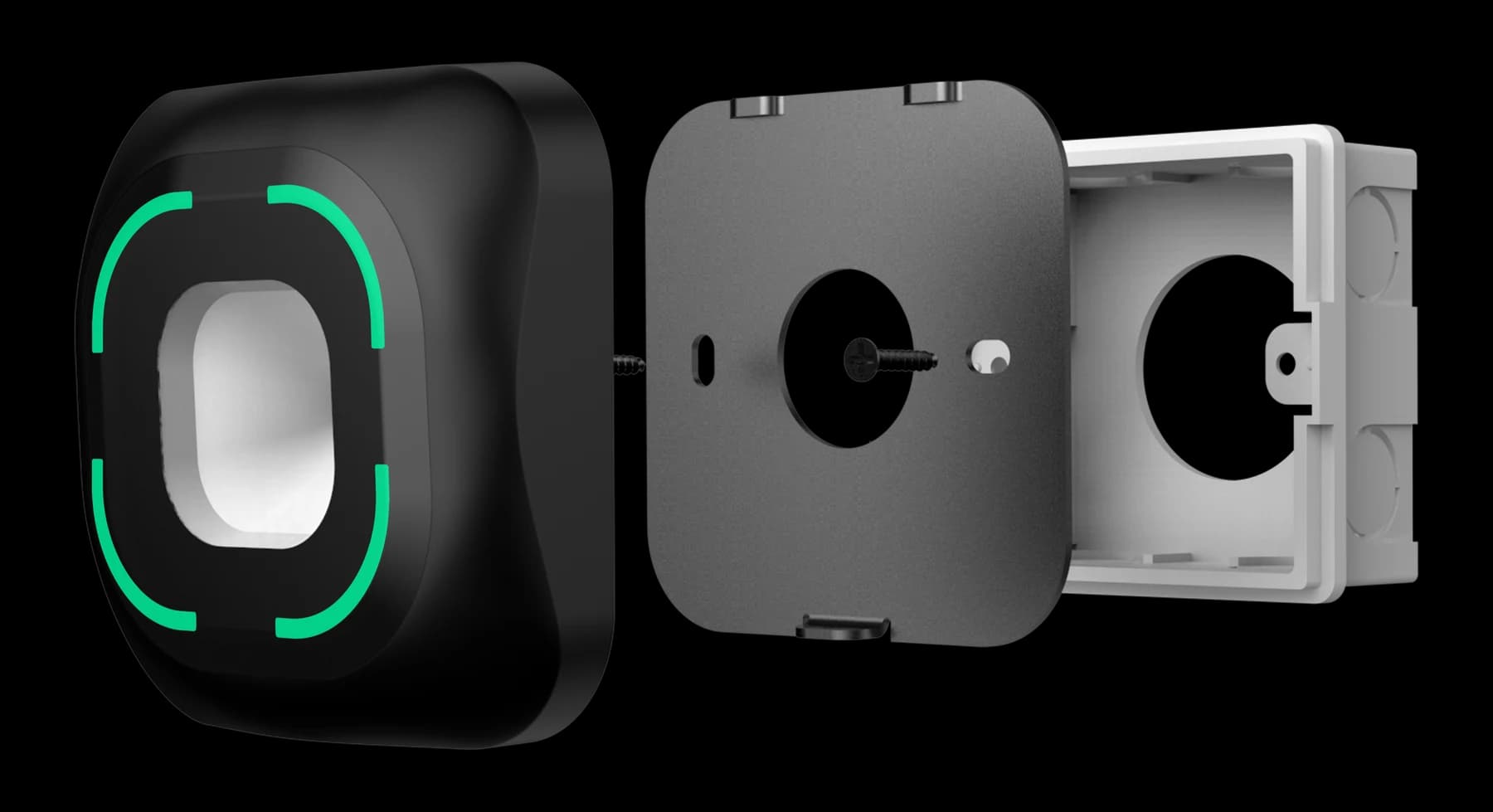
FC7780 provides a reading point for configured QR and supported NFC credentials at a shared entrance. Its host connection and credential behavior depend on the selected version. This guide describes the membership and access workflow to evaluate, rather than claiming a built-in coworking platform or a universal connection to existing software.
Map a person, a tenant and a credential separately
Coworking membership offboarding becomes difficult when a person's identity is treated as the same thing as a tenant company or a credential. A person may move between tenant organizations, hold more than one approved credential or remain a guest after a paid membership ends. State which record each system uses and which relationships grant access.
Create a simple inventory of the person's approved entrances, membership-based permissions and separately issued passes. Include the responsible tenant administrator where the operating model requires one. The objective is to remove the ending entitlement without unintentionally deleting unrelated records or keeping an old organization-level access grant that nobody remembers.
Give departures and plan changes an effective time
Coworking software needs a precise point at which a membership change affects entry. A future departure, an immediate cancellation and a move to a limited-hours plan can require different outcomes. Decide which application owns that effective time and how the access system learns it.
Test a member shortly before and after the agreed change using the site's stated time basis. If the person retains permission for a final supervised collection visit, describe that visit as a separate authorization with its own scope. Do not let an informal extension become an unexplained permanent credential exception. Keep communication with the departing member consistent with the access decision.
Remove derived permissions as well as the main credential
Coworking offboarding should examine permissions created because the member was active. These might include guest passes or a room-access window in the chosen application. The organization should decide whether each dependent permission ends with the member or remains valid under a different responsible host.
Ask the platform team to show that relationship using a small test record. A list of deleted credentials is not enough if another credential or a tenant-level group still authorizes the same door. The selected FC7780 reader reports a credential interaction through its configured connection; identifying all dependent business permissions belongs to the management and access design.
Use an offboarding sequence the team can actually follow
A coworking offboarding checklist should identify an accountable owner at every handover. The sequence below is a procurement and pilot framework. Replace its record names with those supported by the actual membership and access applications.
- Confirm the person, tenant relationship, ending entitlement and approved effective time.
- List the entrances, credentials and any separately issued temporary permissions associated with that entitlement.
- Decide which guest or room-related permissions must end, transfer to another responsible owner or remain independently valid.
- Send the change through the supported access-management path and inspect the available acknowledgement.
- Test a representative affected entrance after the effective time and record the expected refusal or revised permission.
- Resolve delayed updates and remaining exceptions, then record who accepted the completed offboarding.
Account for a reader or site that misses the update
Coworking access offboarding needs a plan for a site that does not receive a permission change promptly. The relevant behavior depends on the selected terminal application, host or controller. Confirm whether the decision uses an online lookup or an independently validated local arrangement, and document the limitation during disconnection.
In the pilot, interrupt the agreed communication path while a membership ends, then restore it. Verify the current permission rather than assuming a recovered connection proves every earlier instruction was applied. If the arrangement cannot provide the required revocation behavior, change the workflow or configuration before rollout. Do not promise a universal revocation delay without evidence from the actual setup.
Make tenant moves and returning members explicit test cases
A coworking member moving from one tenant company to another should receive the new approved scope without retaining the old company's permissions. Test the change with a real role example: common-area entry remains allowed, while access to the previous tenant's room ends. Record which system owns each part of that result.
A returning member creates a different risk. Reusing an old account or credential should not silently reactivate all historical permissions. Confirm what the receiving application restores and what needs fresh approval. These tests help the operator distinguish identity continuity from entitlement continuity, without assuming any particular coworking platform has a ready-made lifecycle connector.
Check the old credential through the actual entrance
Coworking offboarding acceptance should include a controlled test at the reading point. A management screen may show a completed change while a separate access component still uses older data. Use a test member and the exact FC7780 configuration, then compare the expected decision with the receiving system's observable result.
Keep the test narrow: one ending permission, one permission that should remain and one unrelated member. That combination helps reveal both incomplete removal and overly broad changes. Record the available evidence and the named person who resolves a mismatch. Use synthetic or approved test data rather than copying an entire tenant directory into acceptance documents.
Request an FC7780 offboarding integration review
Review FC7780, the model-filtered downloads and document request route and the integration overview. A dedicated approved FC7780 PDF is not currently listed, so request the matching protocol and mounting reference instead of substituting another reader's manual.
Send the membership platform, receiving access component and two lifecycle examples with your FC7780 project enquiry. Include a tenant transfer and a departure during a communication interruption. The best offboarding design proves what happens to each permission and identifies the unresolved exception, rather than relying on an account's final status label.
Put the guide to work
Find the reference for your model.
Compare each device with your requirements. Confirm configuration and compatibility for the complete installation.
FC7780 →
86-box QR and NFC reader
Ask about FC7780 ↗