
Turnstiles & Gates
Choose the passage.
Then the gate.
Start with the way people move through your entrance. Choose a gate structure, compare the models and plan the cabinet configuration around your access workflow.
Find your starting point
Five structures.
A clearer choice.
Choose by passage structure first. Each model page covers the supplied hardware, configuration choices and installation questions.
AB interlocking gates
An AB passage arrangement with coordinated entry checks.
1 model02Swing gates
Acrylic swing barriers with compact, painted and stainless-steel cabinet choices.
6 models03Flap barriers
A sloped cabinet with flap barriers for indoor pedestrian access.
1 model04Tripod turnstiles
Three-arm passage mechanisms with bridge and ticketing cabinet formats.
5 models05Full-height turnstiles
An enclosed rotor for supervised pedestrian checkpoints.
1 modelExplore the hardware
Swing gates
6 models · Page 1 of 1
Select the cabinet footprint and required lane width before planning the cabinet count.
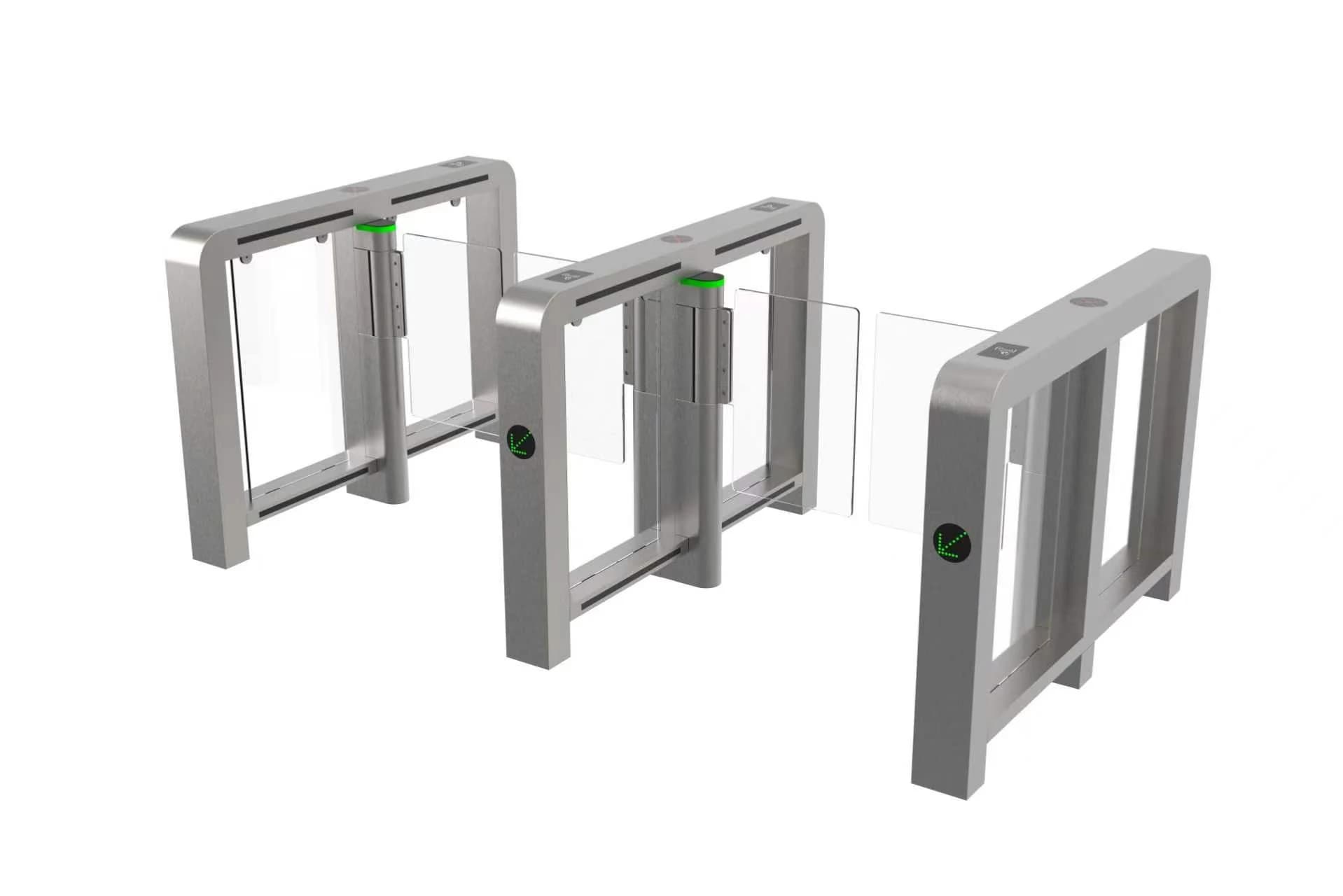
FC-SFGGX
Slim stainless-steel swing gate
- Size reference
- 1400 × 150 × 980 mm
- Passage
- 550–1000 mm, configured for the project
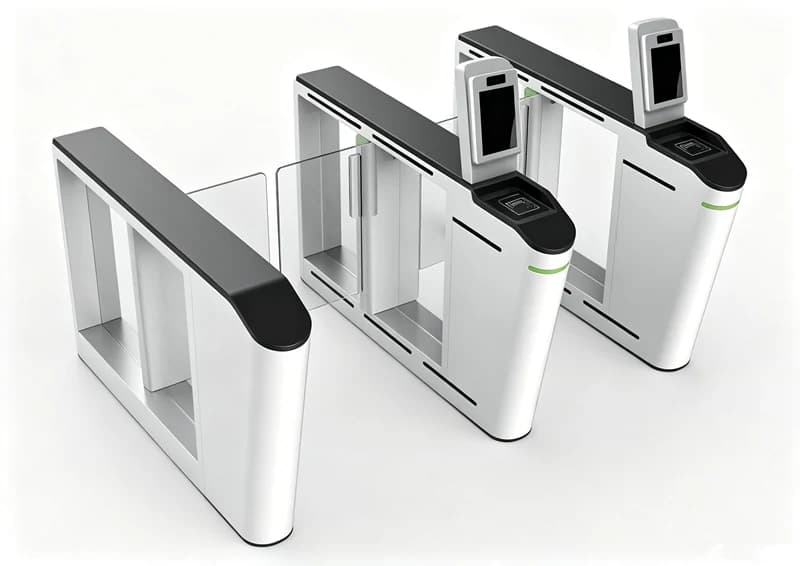
FC-SFGYKLG
Stainless-steel swing gate
- Size reference
- 1680 × 210 × 1050 mm
- Passage
- 550–1000 mm, configured for the project
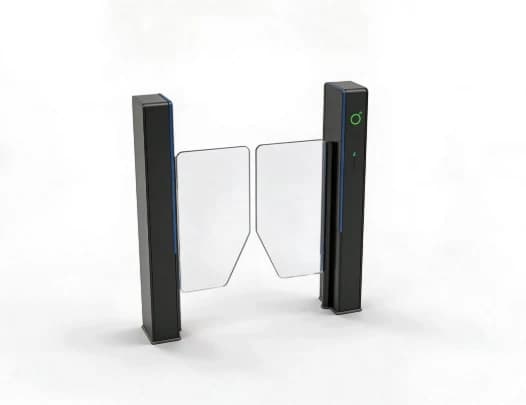
506-E42
Compact swing gate
- Size reference
- 240 × 178.5 × 1200 mm, single-mechanism unit
- Passage
- 600 mm, standard configuration
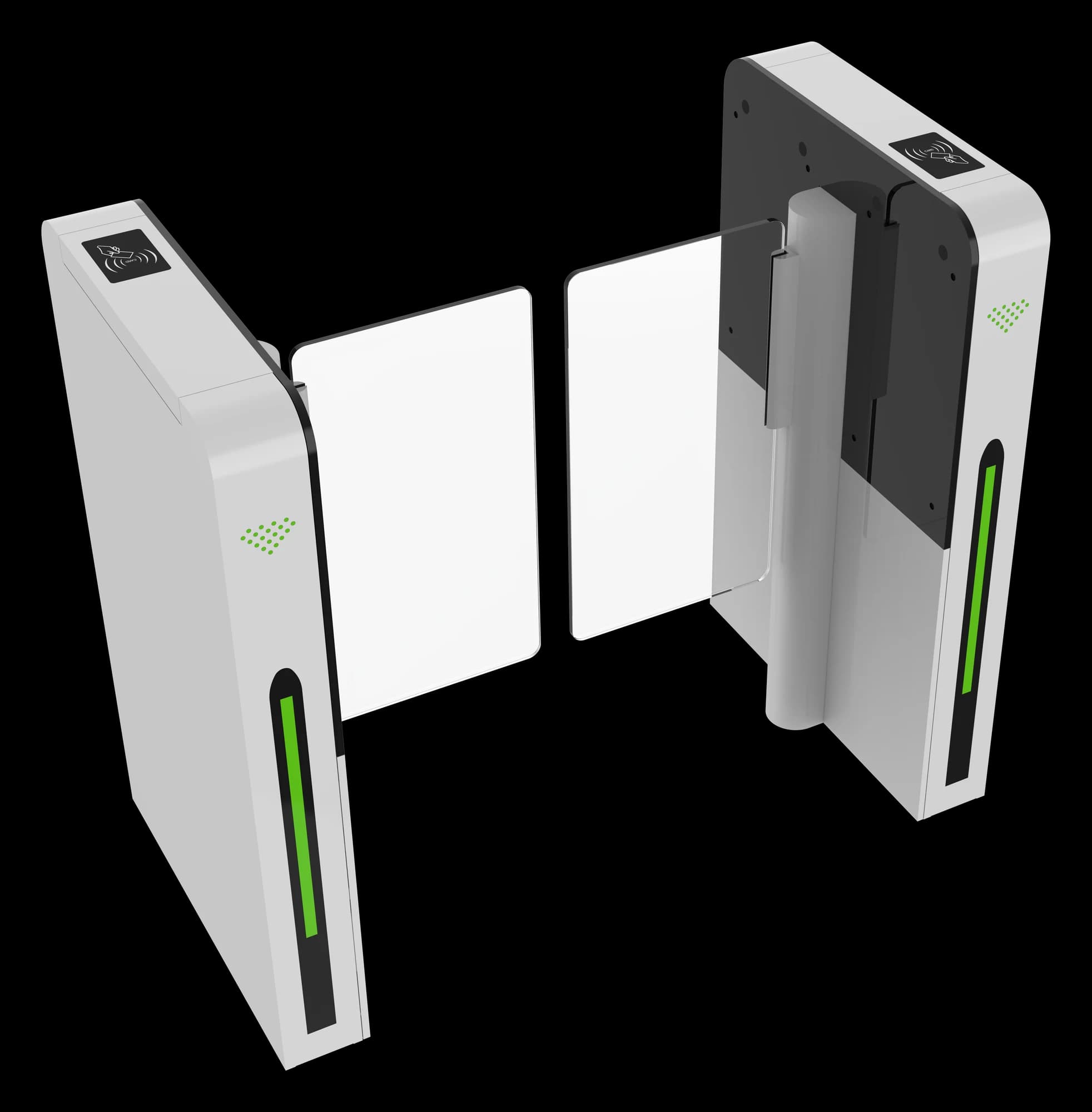
FC-SFGHB
Compact painted swing gate
- Size reference
- 600 × 180 × 1000 mm
- Passage
- 550–1000 mm, configured for the project
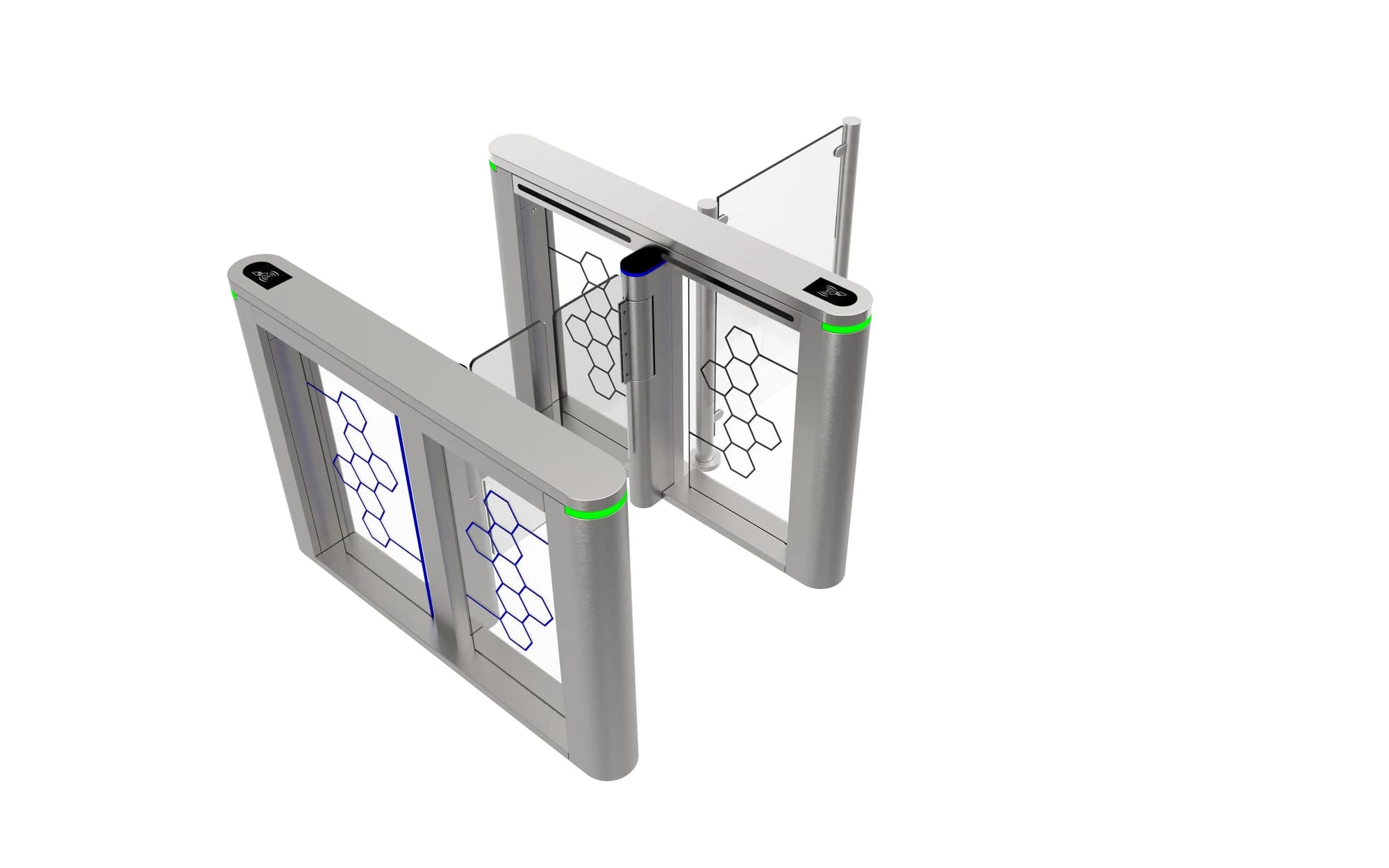
FC-SFGRT
Rounded stainless-steel swing gate
- Size reference
- 1400 × 160 × 980 mm
- Passage
- 550–1000 mm, configured for the project
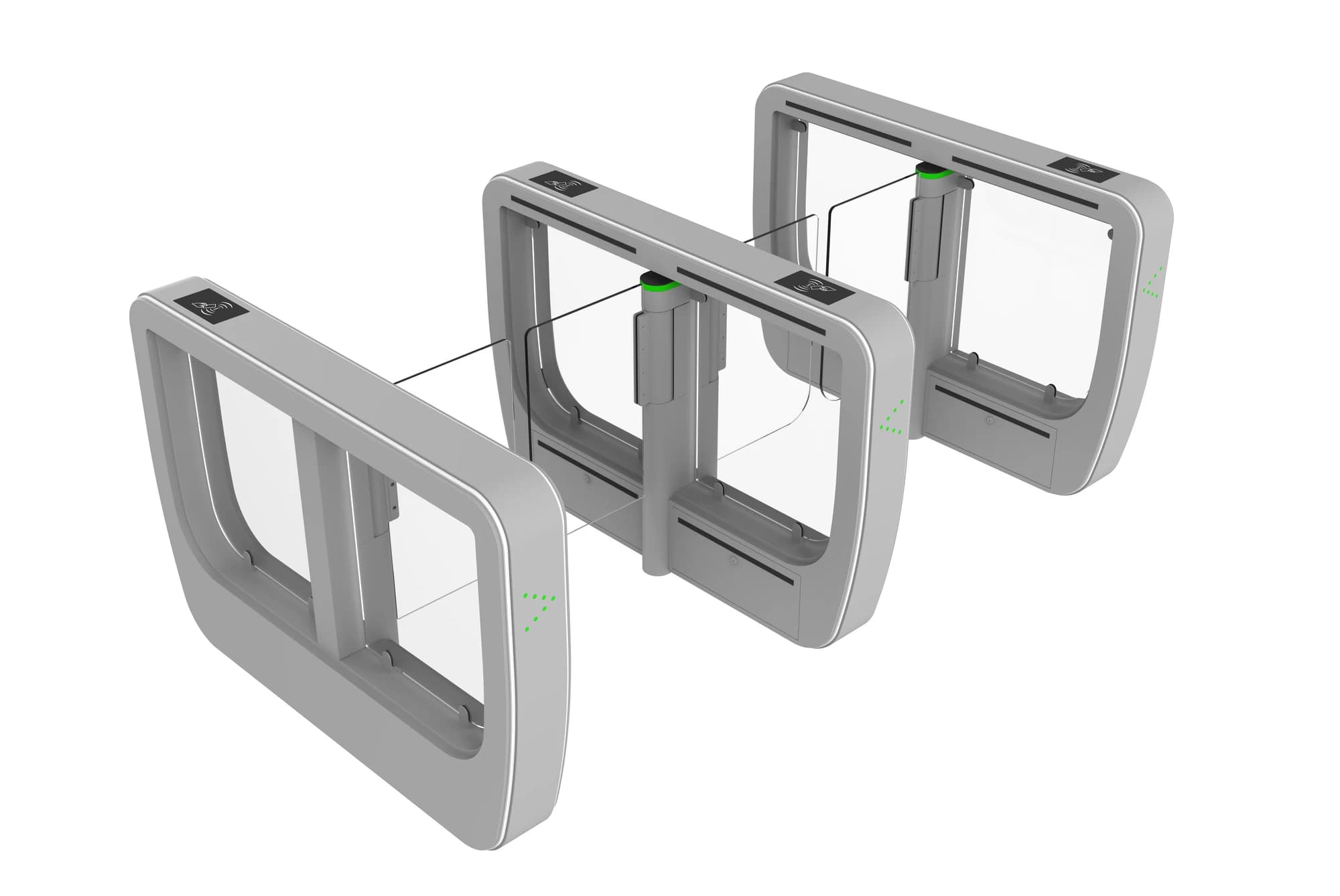
FC-SFGZK
Painted swing gate
- Size reference
- 1500 × 180 × 1000 mm
- Passage
- 550–1000 mm, configured for the project
Showing 1–6 of 6. Model names use the single-mechanism reference where applicable; a cabinet is not a complete lane.
Compare the structures
Plan the fit.
Review the workflow.
| Structure | Barrier movement | Planning focus |
|---|---|---|
| AB interlocking gates | Two sequential barrier stages | Interlock sequence, chamber, sensing and supervision |
| Swing gates | Swinging barrier leaves | Clear passage, cabinet arrangement and reader placement |
| Flap barriers | Retracting flap barriers | Barrier clearance, lane arrangement and sensor response |
| Tripod turnstiles | Three-arm rotating mechanism | Arm clearance, passage sequence and separate accessible route |
| Full-height turnstiles | Full-height rotating barrier | Complete footprint, rotation clearance and emergency route |
Cabinet size is different from clear passage width and the complete installed footprint. Request the approved installation drawing before preparing the floor.
Bring the entrance together
Plan the cabinets.
Then the passage.
For compatible swing and flap systems, two outer single-mechanism cabinets form one lane. Adding a matching double-mechanism cabinet between them can form two lanes. Confirm the matching assemblies and project drawing; tripod and full-height structures use their own layouts.
- Entrance width, lane count and accessible route
- Credential workflow, controller and required signals
- Floor fixing, power, cable route and emergency behaviour
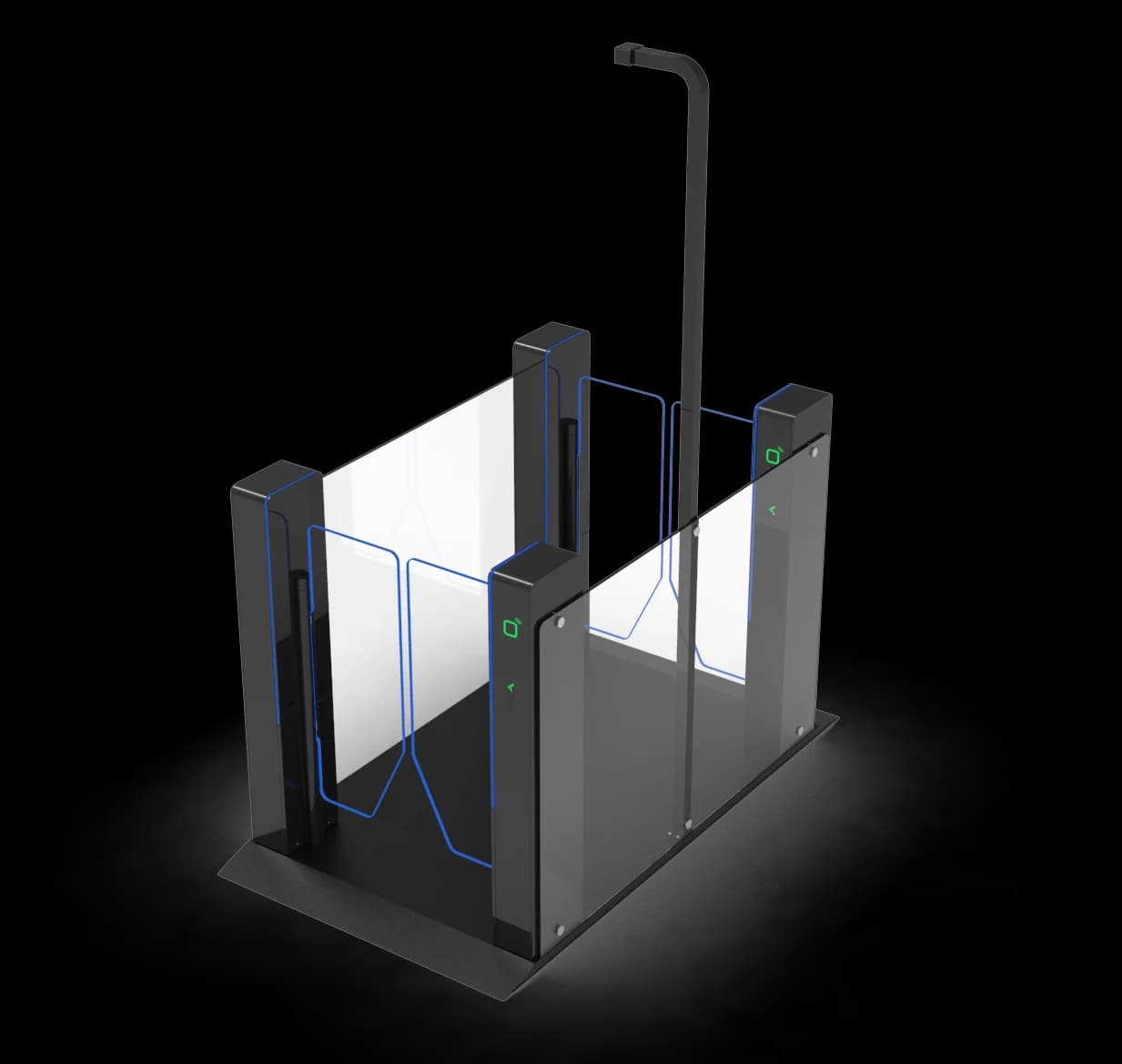
FC24EAB · supplied portal rendering from the Tencent product sheet; final equipment and configuration require confirmation.
Before you choose a gate.
How do we choose a gate structure?
Start with the passage workflow, available space and users. Swing gates use swinging barrier leaves; flap gates retract their barriers; tripod turnstiles use a three-arm mechanism; full-height turnstiles use a rotating barrier; AB gates coordinate two sequential stages. Review the lane layout, supervision, accessible route and emergency behaviour with the project team.
Does a single-mechanism cabinet mean a complete single lane?
For compatible swing and flap systems, a single-mechanism cabinet controls one side of a lane. Two matching outer cabinets form one lane; adding a compatible double-mechanism cabinet between them can form two lanes. Single and double mechanisms describe cabinet configurations, not complete lane quantities. Tripod, full-height and AB gates use their own arrangements. Confirm the final quantities and footprint on the project drawing.
Is cabinet size the same as clear passage width?
No. Cabinet size, clear passage width and the complete installed footprint describe different measurements. Confirm the cabinet arrangement, arm or barrier movement, accessible route, fixing pattern and service clearance using the approved project drawing.
Are the pictured readers and face terminals included?
The pictures illustrate possible access configurations. Confirm the gate, readers, terminals, controllers, software and quantities in the order. Match the credential output, gate input, control protocol and power arrangement before integration.
What should we provide to request a gate layout?
Send the entrance width, planned lanes, expected passage workflow, reader or controller, floor construction, power and cable route. Include the accessible route and required emergency behaviour. Ask for the model-specific installation and wiring references before preparing the site.