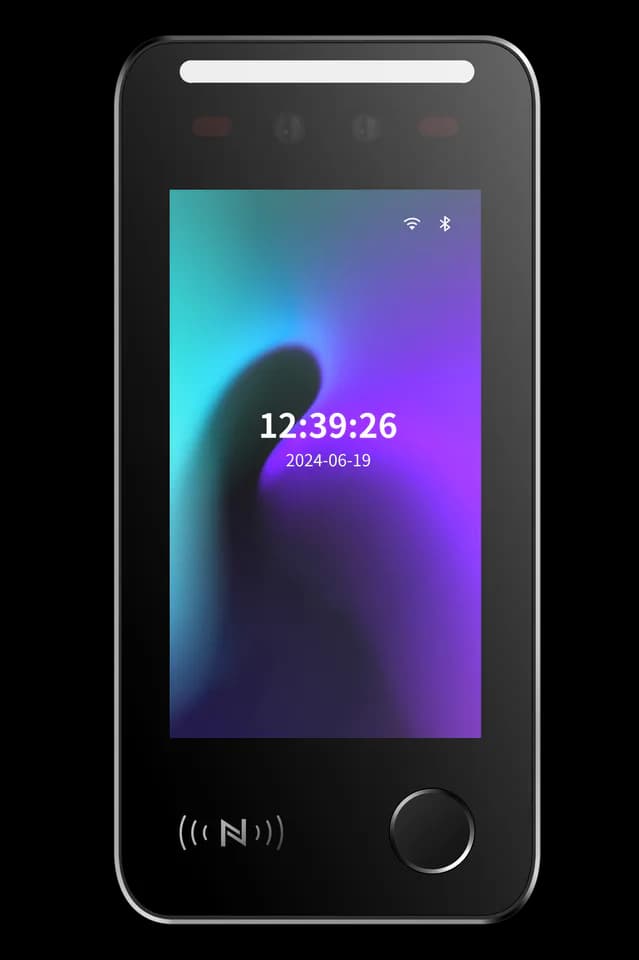
Face Terminals

FCV4914

6-inch compact face terminal

Identity in a compact format.

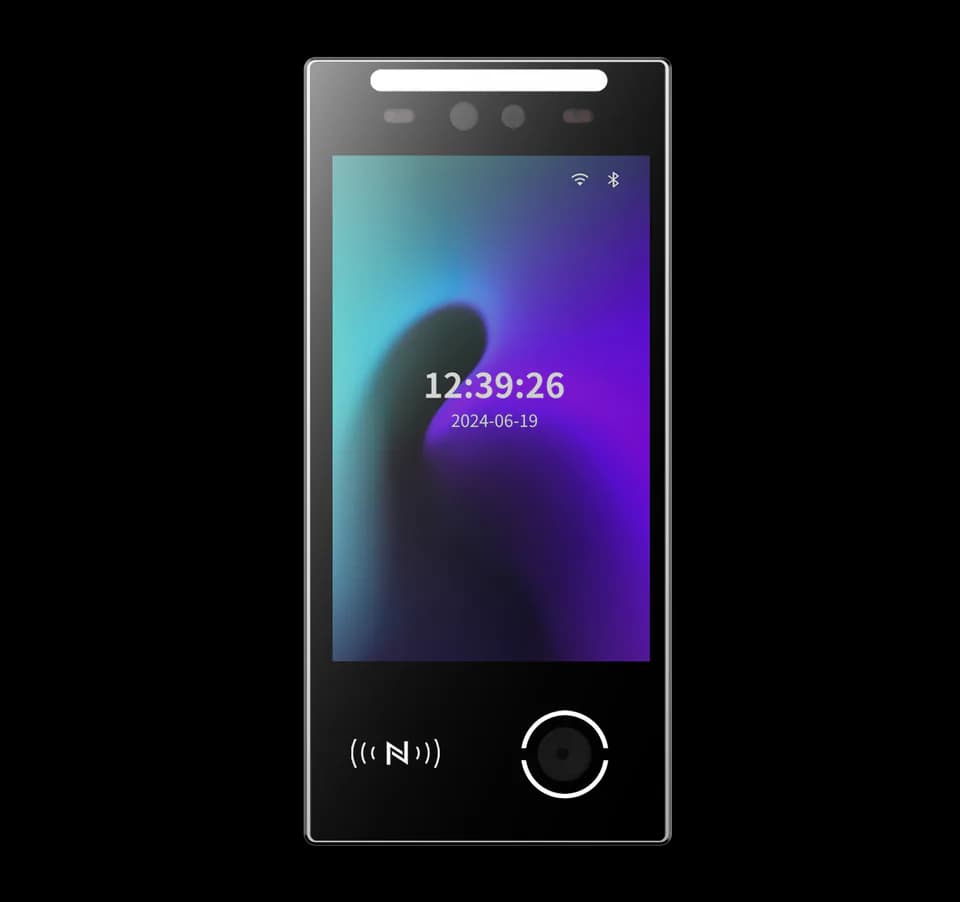
A 6-inch face terminal for entrances where space matters. Wall and pedestal configurations bring face, QR or card workflows to reception areas and access points.

  • 6-inch display
  • Face / QR / card options
  • DejaOS development
At a glance
6-inchHuman-facing display
Application platform
LinuxMatch firmware to your project
Design focus
Compact portrait formatSelected configuration

THE FCV4914 EXPERIENCE

A considered fit beside the door.

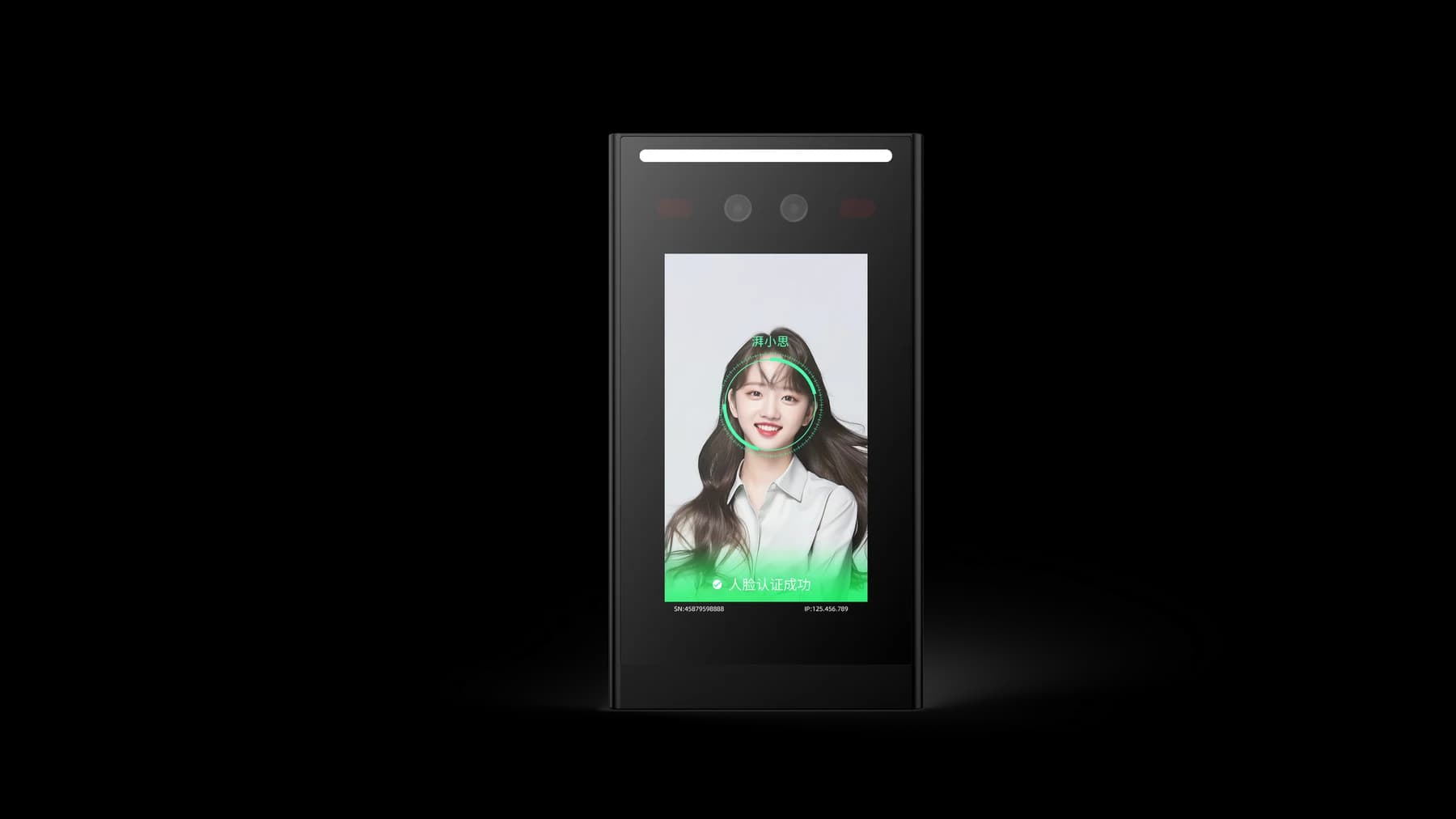
A compact portrait terminal can still give people clear guidance. The 6-inch version described in the supplied FCV4914 manual combines a 720 × 1280 display with face, QR and card workflows, selected for the entrance and application.

Explore the product manual
FCV4914 compact face terminal front view
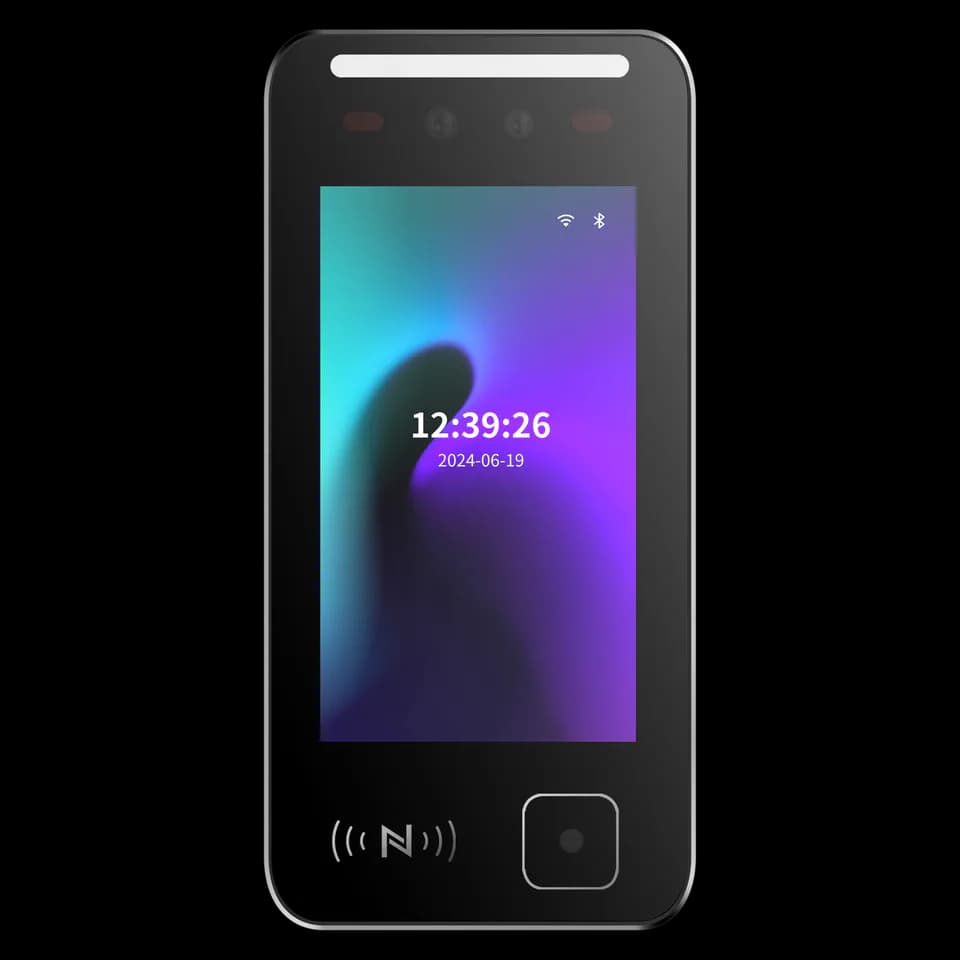
FCV4914 product view. Match the display version and mounting drawing to the supplied unit.

AT THE POINT OF INTERACTION

A clear task.
A visible result.

Choose the credential and application together. Functions depend on the selected modules, firmware and software.

Recognise a person

Choose face authentication for enrolled users. Plan enrolment, user permission and the way the application handles an unrecognised visitor.

Offer another way in

Select the supported card, QR or password workflow for the required credential modules and software. Confirm those options with the evaluation unit.

Show the next step

Use the display for an instruction and a clear result. Your application decides whether to continue, ask for another credential or direct the visitor to assistance.

FROM IDENTITY TO ACTION

Connect the moment
to the system.

The manual describes Ethernet, RS485, Wiegand and door-control connections. Supported DejaOS configurations provide an application-development path. Establish which system validates the identity and which device is responsible for the release signal.

  1. 01

    The person

    Presents a credential or follows the on-screen prompt.

  2. 02

    Your application

    Validates identity and applies the agreed access rules.

  3. 03

    The access system

    Receives the result, controls passage and records the event as configured.

Integration outline. The terminal, host software, controller and lock need a matching configuration; this is not a wiring diagram.

DESIGN AROUND THE PLACE

Where could it fit?

Example workflows to discuss with your integrator.

01

Office doorways

Place the interaction near the handle side of the entrance, with enough approach space for the camera.

02

Visitor checkpoints

Pair the selected QR or card configuration with your visitor system and use the screen to guide the next step.

03

Compact gate installations

Select the pedestal assembly and cable exit with the gate supplier before preparing the mounting surface.

Technical details

A closer look.

Options vary by configuration. Use these details to plan your evaluation.

FCV4914 specifications
Operating systemLinux
Display6-inch LCD · 720 × 1280 pixels; match the supplied manual version
ProcessorDual-core ARM Cortex-A7 · 1 GHz
Storage8 GB
Host interfacesEthernet, RS485, Wiegand and door-control connections; selected harness required
Power input9–24 V DC · 12 V recommended

Installation & connections

Plan the fit.

  1. Select wall or pedestal placement using the drawing for your display version.
  2. Test recognition position with the intended users before fixing the bracket. Keep the screen and camera clear of the door swing.
  3. Use the connector definition for the supplied harness. Plan service space behind the device and label the cables.

Product resources

Manuals & drawings.

Documents for FCV4914 →
  • FCV4914 user manual

    Manual · English; some Chinese labels · PDF · 2.5 MB

    This manual describes the 6-inch version. Confirm the display and housing for your order.

    Download PDF

A few things worth knowing.

What lighting conditions should we consider?

Strong backlight, direct sunlight, reflections and close-range lighting can reduce capture quality. Evaluate the terminal in its intended position and avoid pointing the camera directly toward a bright window or concentrated light source.

What kind of enrollment photograph should we use?

Use a clear, front-facing JPG without beauty filters, heavy makeup, sunglasses, a mask or other facial obstruction. File size and image dimensions can vary by software and model, so confirm the current import requirements before preparing a large enrollment set.

What should we confirm before connecting a face terminal to the network?

Confirm whether the selected configuration uses wired networking, Wi-Fi or another connection method, then collect the network and platform settings required by that system. A local network connection does not by itself prove that the device is connected to the management service, so verify both states separately.

Your next step

Let’s put FCV4914
in your project.

Tell us where it will be used, how it should connect and the quantity you need.

Discuss your project